
Bulk Pallets Near Me Kansas City
Affordable Wooden and Plastic Pallet Supply for Local Businesses
Securing a reliable, bulk supply of shipping platforms is a foundational requirement for regional logistics operations looking to insulate their supply chains from sudden inventory bottlenecks. Across the Kansas City industrial landscape, manufacturing complexes and distribution centers depend on consistent access to high-grade wooden and plastic skids to maintain fluid shipping lanes.
This guide details the regional procurement framework, breaking down bulk pricing dynamics, local supply infrastructure, transport logistics, and eco-friendly removal loops. By examining the operational advantages of high-volume procurement through regional specialists like KC Pallets Inc., warehouse managers can confidently navigate their inventory choices, secure competitive commercial pricing, and build a highly responsive, localized equipment strategy.
Pricing
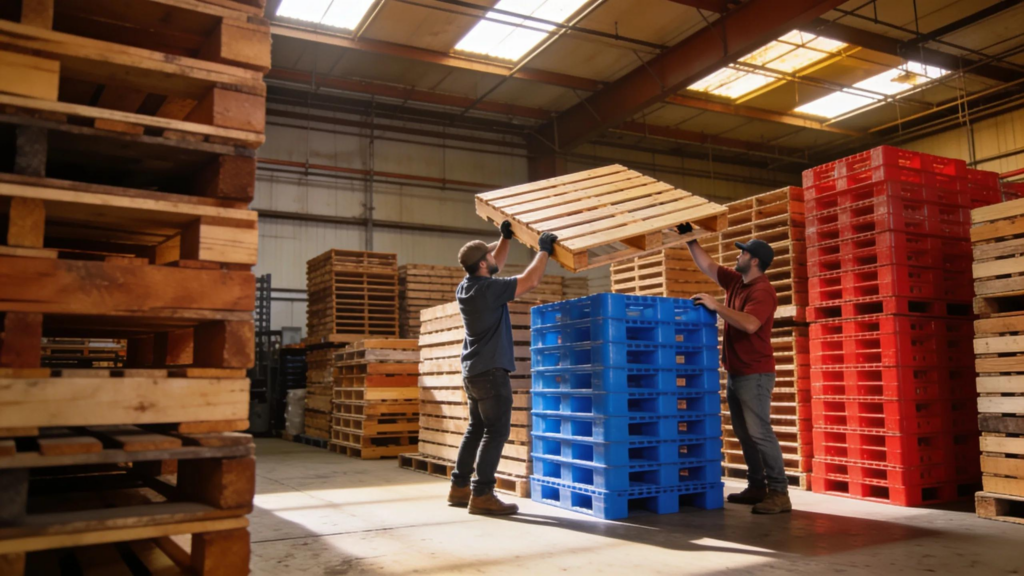
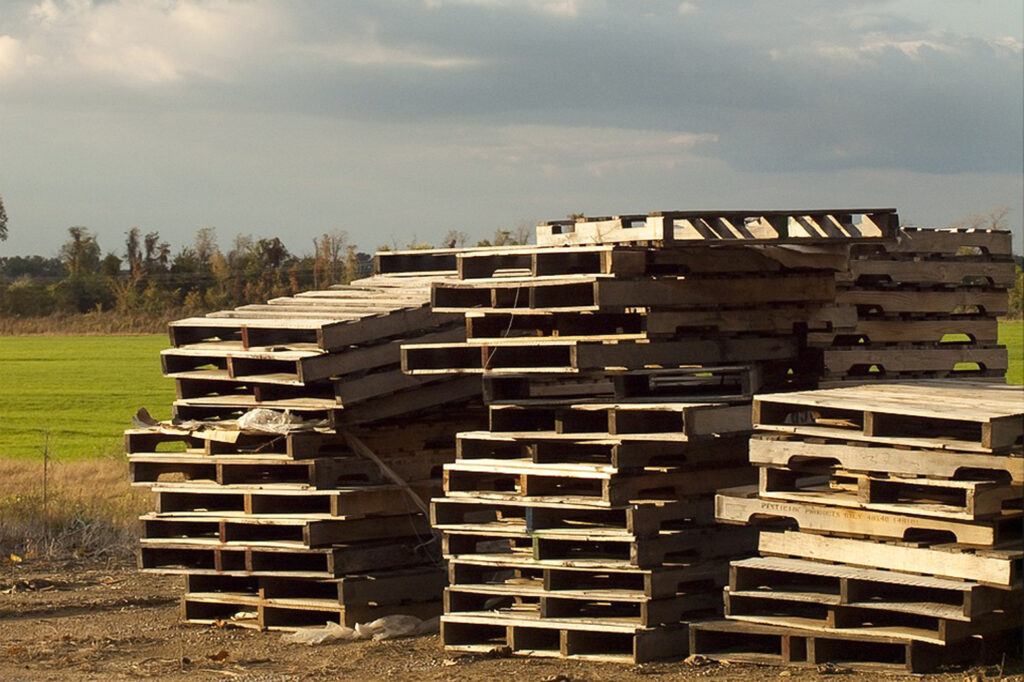
Pricing is a fundamental factor when sourcing bulk pallets. Understanding price ranges for wooden and plastic pallets helps businesses make informed decisions about their purchases. Various options are available to accommodate different needs and budgets. For instance, wooden pallets can range from $6 to $25 depending on their condition and type. The cost for new wooden pallets typically sits between $13 and $25, while used options are more affordable, priced between $6 and $12. Recycled pallets are available and fall in the range of $10 to $25 based on grade specifications.
| Type of Pallet | Condition | Price Range |
|---|---|---|
| Wooden Pallets | New | $13 - $25 |
| Wooden Pallets | Used | $6 - $12 |
| Wooden Pallets | Recycled (Grade A) | $10 - $25 |
| Wooden Pallets | Recycled (Grade B) | $15 - $28 |
| Plastic Pallets | New | $45 - $90 |
This pricing structure allows businesses to choose options that best fit their operational needs while also considering budget constraints. Currently, bulk purchase options can yield additional savings, making it an attractive avenue for various organizations.
Suppliers
There are multiple suppliers in Kansas City that provide quality bulk pallets to local businesses. Among these, KC Pallets stands out for its broad variety of offerings and commitment to customer service. Here are some suppliers to consider:
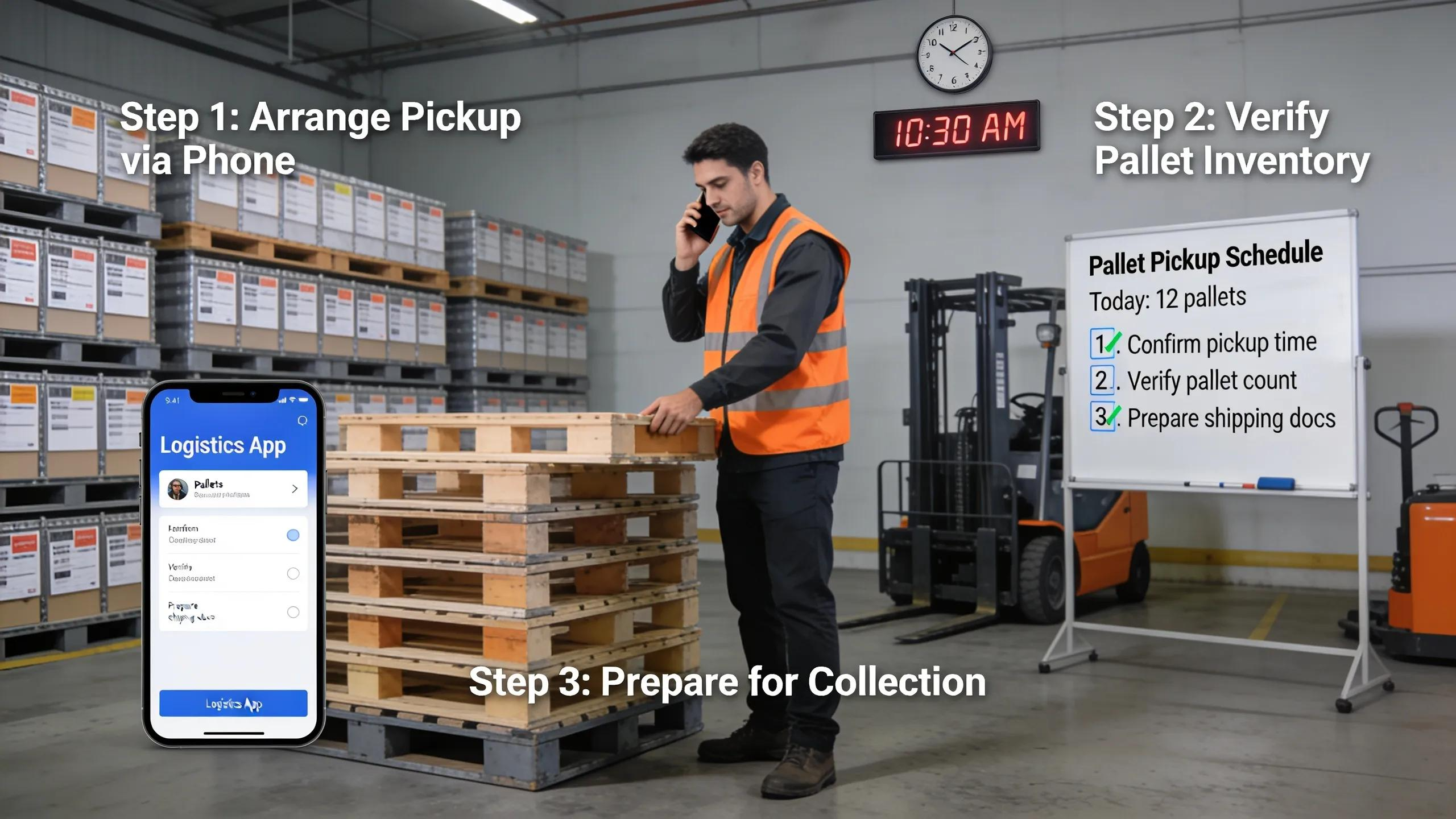
- KC Pallets: Address: 3824 Fremont Ave., Kansas City, MO 64129, Phone: 816-569-3075, specializes in both new and recycled wooden pallets, offering competitive pricing and reliable service.
- 48forty Solutions Provides logistics support along with heat treating services.
- Kamps Pallets: Known for offering reconditioned pallets suited to various industrial needs.
Working with local suppliers like KC Pallets allows businesses to establish solid relationships and receive tailored service, which is vital for maintaining efficient logistics.
Delivery Services
Maximizing inventory responsiveness requires localized freight networks capable of handling tight turnaround windows on volume drop-offs. For industrial complexes throughout the Kansas City bi-state area, standard commercial transport programs cover a 50 to 100-mile operational radius from our central hub, mitigating freight delays and ensuring shipping lines remain fully supplied.
Operating with centralized dispatch coordination, KC Pallets Inc. optimizes freight fulfillment schedules to match fluctuating factory production rates. This dedicated logistical infrastructure accommodates large-scale orders by offering flexible flatbed routing or direct drop-trailer placements at your loading dock. By integrating reliable delivery windows into your supply plan, our network eliminates warehouse stage delays, allowing logistics teams to maintain fluid fulfillment pacing.
Bulk Purchase Options
Procuring logistics assets in high volumes provides a distinct financial advantage for expanding manufacturing operations and distribution centers looking to optimize their equipment budgets. Commercial suppliers structure bulk pricing on a sliding tier framework, ensuring that as order volume increases, the baseline per-unit acquisition cost drops significantly.
By consolidating orders into Full Truckload (FTL) shipments typically ranging from 400 to 600 platforms depending on the wood or plastic configuration local businesses maximize their purchasing power while slashing freight overhead. This volume procurement strategy eliminates the repetitive logistics fees attached to smaller LTL (Less-Than-Truckload) deliveries, keeping fulfillment lanes continuously supplied at a much lower net cost per unit.
Recycling Services
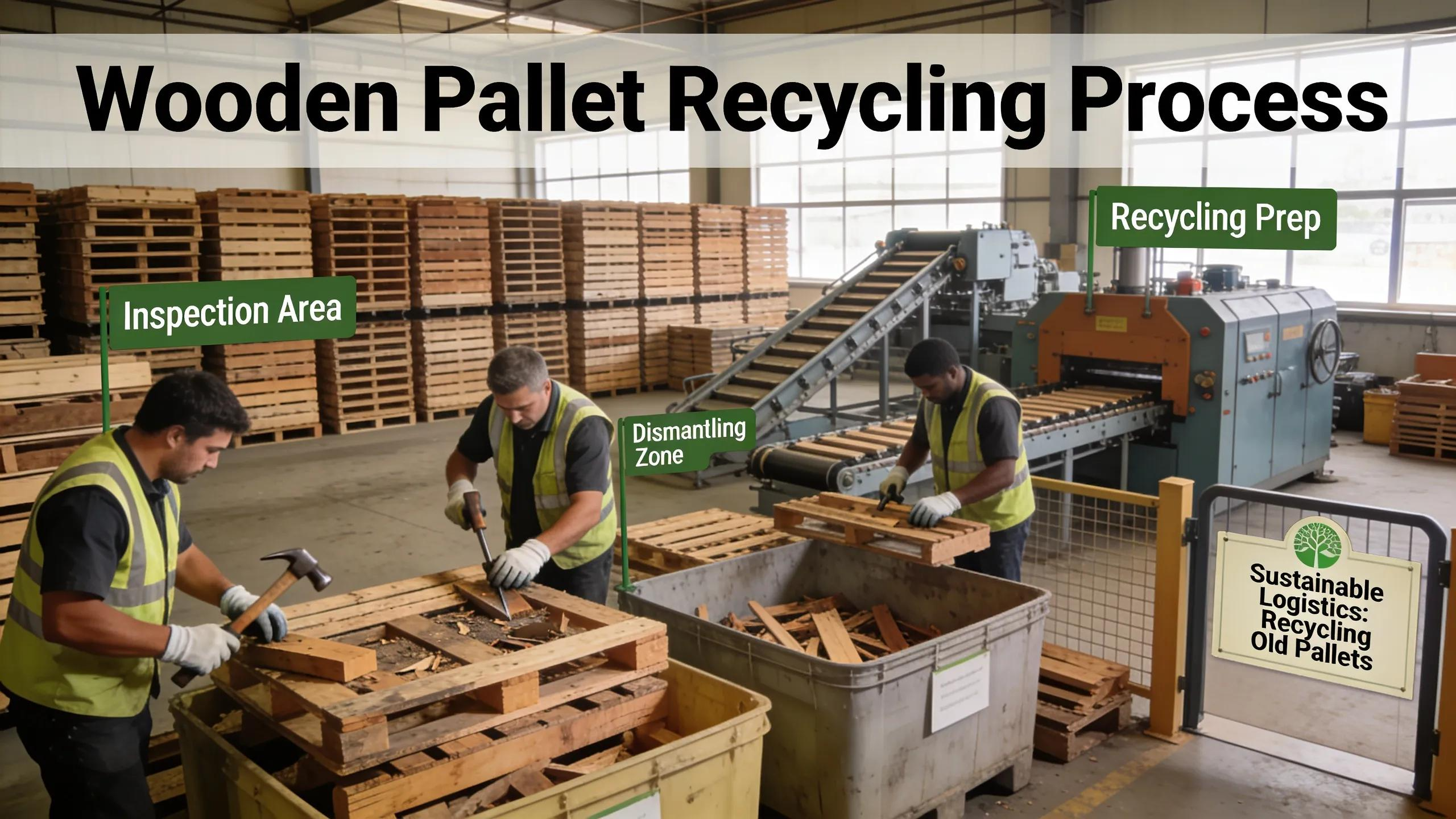
Integrating sustainable disposal pipelines into regular supply chain operations allows local facilities to efficiently manage structural wood waste while advancing regional green initiatives. Sourcing professional recycling services helps warehouses smoothly transition away from outdated, linear disposal methods and adopt a resource-conscious, circular economy model.
Operating with a strict commitment to material diversion, KC Pallets Inc. provides streamlined recycling and removal services that cleanly pull obsolete or damaged shipping platforms completely out of local waste streams. Instead of letting old wood accumulate into safety hazards or landfill volume, our processing facility breaks down unserviceable timber for clean mulch or remanufactures structural components into custom-sized platforms. This closed-loop reclamation system gives Kansas City enterprises an affordable, legally compliant avenue to meet strict corporate sustainability metrics and reduce their net environmental footprint.
Where to find reliable bulk wooden pallets wholesale in Kansas City?
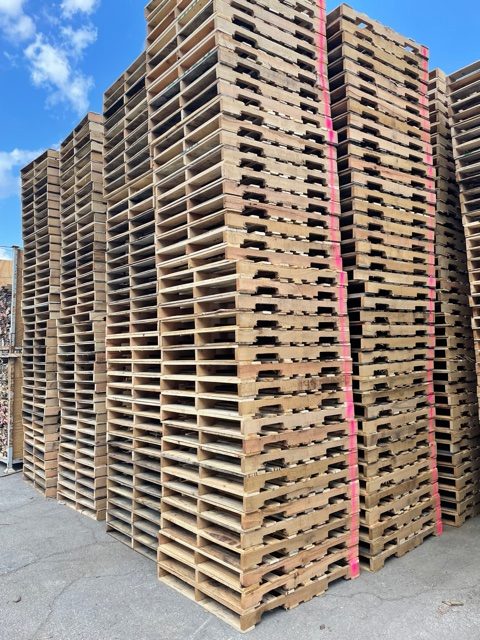
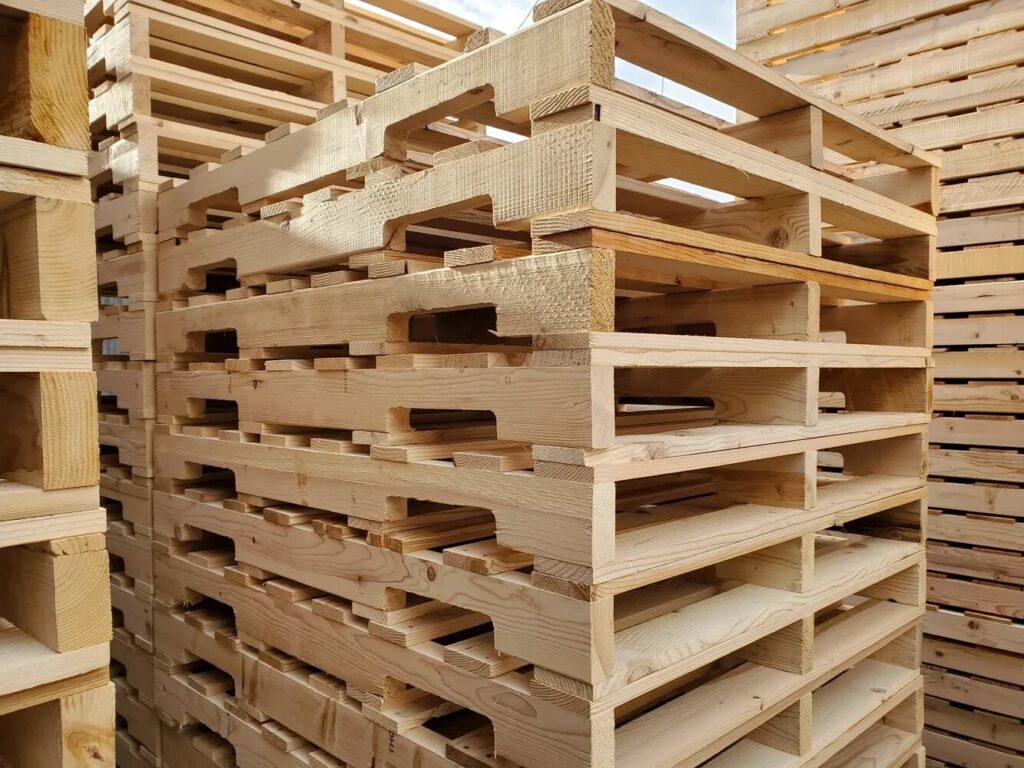
Securing a consistent volume of dependable wooden platforms requires tapping into established regional distribution networks. Partnering with an established local distributor like KC Pallets Inc. (3824 Fremont Ave.) eliminates massive interstate freight surcharges and guarantees immediate access to deep inventory.
To build a resilient equipment pipeline, local procurement teams should follow three vetting steps:
Audit Supplier Track Records: Verify the provider’s ability to reliably maintain deep inventory volumes during seasonal freight surges.
Leverage Peer Logistics Networks: Consult regional cross-dock and warehouse managers to confirm which suppliers deliver consistent, uncompromised lumber grades.
Execute Direct Facility Inspections: Tour the supplier’s reconditioning yard to directly verify localized operational capacity and meet key dispatch staff.
How do bulk wooden pallet discounts work for warehouses and factories?
Wholesale volume discounts are engineered directly around transportation and handling efficiencies. Because open-market freight lines are heavily tied to mileage and capacity utilization, pallet manufacturers pass severe production savings down to facilities that can receive maximum material volume at once.
To secure the lowest net per-unit acquisition cost, warehouses and factories typically purchase platforms based on tiered volume thresholds:
Less-Than-Truckload (LTL) Orders
Purchases under 200 units frequently incur higher per-unit prices and added freight fees because smaller quantities require irregular carrier routing and extra localized handling.
Full Truckload (FTL) Thresholds
Ordering a full 53-foot dry van trailer typically holding 400 to 600 platforms depending on whether they are stacked or nested unlocks the highest wholesale tier. FTL orders minimize transport overhead, dropping unit prices down to the lowest possible base rate.
Programmatic Standing Contracts
High-velocity logistics complexes can negotiate customized multi-month rolling blanket orders. Committing to a predictable, recurring monthly delivery volume allows suppliers to lock in stable, long-term pricing and guarantee inventory availability during seasonal shipping spikes.
What are the options for plastic pallets bulk supply in Kansas City?
When strict hygienic requirements, cleanroom restrictions, or international export rules rule out traditional wood, heavy-duty plastic platforms serve as an ideal alternative. Across the Kansas City industrial sector, bulk plastic pallet pricing scales between $45.00 and $90.00+ per unit, directly reflecting structural weight capacities and exact resin composition.
Local warehouses can source specialized bulk plastic footprints engineered for specific closed-loop storage demands:
Rackable Heavy-Duty Skids
Molded with reinforced picture-frame bottom bases or integrated steel rods, these premium units safely hold maximum payload capacities inside open-beam warehouse racking systems.
Stackable Interlocking Designs
Featuring specialized solid or grid-top surfaces, these platforms interlock securely when nested, preventing slick plastic panels from sliding or tilting during high-density vertical tier staging.
Nestable Distribution Platforms
Engineered with a tapered leg configuration, these ultra-lightweight skids nest tightly inside one another when empty, significantly reducing return-freight logistics costs and maximizing backhaul space.
Which businesses benefit most from plastic pallets in Midwest logistics?
While standard wooden platforms handle general freight smoothly, high-density polyethylene (HDPE) plastic platforms are essential for specialized, highly regulated supply chains across the Midwest. Transitioning to a uniform plastic inventory delivers critical compliance and operational wins for three primary sectors:
FDA-Regulated Food Processing: Large-scale meat, dairy, and ingredient processing plants throughout the Midwest rely on non-porous plastic surfaces to eliminate the bacterial risks, mold growth, and pest infestations common to raw timber, ensuring a completely washdown-ready environment.
Sterile Pharmaceutical and Medical Manufacturing: Medical logistics hubs require chemically inert, non-absorbent platforms that can withstand harsh sanitizing chemicals. Plastic builds maintain strict structural integrity inside sub-zero cold storage facilities and cleanrooms without warping or shedding organic debris.
Automated Material Handling Systems (AMRS/ASRS): High-velocity, automated warehouses benefit from the exact, unvarying dimensions of injection-molded plastic. Unlike warped wood or protruding nails that can jam optical sensors and trigger expensive conveyor line stoppages, plastic ensures continuous automated uptime.
How does pallet delivery service work for bulk orders in Kansas City?
Fulfilling commercial freight platform orders across the Kansas City bi-state industrial zones relies on a structured, three-stage logistics framework. By operating through centralized regional yards, localized carriers bypass long-haul transit delays to keep warehouse staging docks running continuously:
Inventory Allocations and Custom Bundling
Upon order placement, dispatch teams immediately cross-reference active yard stock, group standard 48x40 platforms into uniform bundles, or pull custom-built setups to match specific payload specs.
Coordinated Fleet Dispatch
Orders are loaded onto dedicated regional transport lines offering either rapid flatbed delivery or drop-and-swap dry van trailer drops at your distribution hub within standard local lead times.
Strategic Freight Integration
Partnering directly with a localized provider like KC Pallets Inc. (3824 Fremont Ave.) eliminates secondary brokerage fees, simplifies delivery tracking, and ensures platforms arrive damage-free and ready for automated material handling lines.
How does KC Pallets ensure timely and safe bulk pallet delivery?
Protecting cargo safety and ensuring strict arrival windows relies on combining disciplined yard safety protocols with flexible fleet dispatch systems. By managing regional transport through trusted commercial carriers, KC Pallets Inc. stabilizes the downstream supply chains of our industrial buyers.
To protect material handling integrity and ensure fluid, stress-free warehouse receiving, our logistics team focuses on three operational pillars:
Strict Transit Asset Securing: All bulk loads are tightly bundled, stacked to precise trailer tolerances, and double-checked before leaving our yard at 3824 Fremont Ave. This prevents shifts or structural damage during transit on regional highways.
Responsive Dispatch Coordination: Our customer support desk monitors active freight lines in real time. We coordinate directly with your receiving dock staff to map out precise delivery schedules, adapt to unexpected plant delays, and keep staging lanes entirely clear.
Flexible Dock Management Solutions: To prevent bottlenecking at busy factories, we align our delivery schedules with your inventory needs. This includes offering 24 to 48-hour drop-and-swap dry van services so your teams can unload bulk lumber shipments at their own pace.
What should you know about bulk pallet pricing and affordable pallet suppliers in Kansas City?
Understanding bulk pallet pricing revolves around the varying costs associated with different types of pallets. Businesses should consider:
New Wooden pallets typically range from $13 to $25 each.
Used Wooden pallets can be acquired for as low as $6 to $12 each.
Engaging with suppliers directly can yield additional insights into the best pricing options available.
This knowledge equips businesses to make informed purchasing decisions, maximizing their pallets’ utility while managing costs efficiently.
What are the common FAQs about pallet costs and order minimums?
Navigating structural equipment costs requires a clear understanding of supplier-enforced minimum order volumes and condition grading variables. Industrial buyers throughout the region utilize standardized procurement frameworks to optimize capital allocation:
To qualify for competitive wholesale pricing, regional suppliers typically require minimum order thresholds. While minor LTL deliveries are available for immediate yard pickups, direct flatbed fulfillment networks prioritize volume batches—frequently scaling to full 53-foot dry van trailer allocations of 400 to 600 nested or stacked units to maximize transportation efficiency.
Price structures scale directly with structural grading. Budget-conscious operations opt for economical used and recycled timber platforms, whereas high-load heavy industry and highly automated material handling facilities purchase premium, brand-new GMA-standard wooden builds or high-density plastic skids to guarantee structural uniformity.
Rather than transactional spot-market buying, commercial distribution centers lock in high-volume, multi-month programmatic blanket contracts. Establishing consistent rolling commitments balances warehouse supply lines, guarantees steady equipment availability during seasonal freight surges, and lowers net per-unit costs.
Effective communication with suppliers about their specific pricing structures and terms will yield the best results in securing bulk pallets affordably.