Frequently Asked Questions
Are pallets free?
Pallets are not typically free, as most suppliers charge for them based on size and type. However, some businesses may offer used pallets at little to no cost. It's best to check with local suppliers for specific pricing and availability.
Where can I find free pallets near me?
You can find free pallets near you by checking local businesses, grocery stores, and warehouses that often give away or sell surplus pallets. Additionally, online marketplaces and community groups may have listings for free pallets available in your area.
Can you get pallets for free?
Pallets can sometimes be obtained for free, especially from businesses that no longer need them. However, availability may vary, and it's best to check with local retailers or warehouses for any surplus pallets they might be willing to give away.
Are pallets behind stores free?
Pallets behind stores are often available for free, but it depends on the store's policy. It's best to ask the store management for permission before taking any pallets.
What types of pallets are available?
The types of pallets available include custom pallets tailored to specific needs, as well as standard pallets suitable for various applications. KC Pallets offers a range of sizes and designs to meet your requirements.
How to identify quality pallets?
Identifying quality pallets involves checking for structural integrity, uniformity, and the absence of damage such as cracks or loose boards. Additionally, look for heat-treated stamps, which indicate compliance with safety standards.
Where to buy custom pallets locally?
To buy custom pallets locally, visit KC Pallets in the Kansas City area. We specialize in creating tailored pallets to meet your specific needs and offer competitive pricing. Contact us for a quote today!
What are the sizes of standard pallets?
The sizes of standard pallets typically include 48"x40", 42"x42", and 48"x48". These dimensions are commonly used in the industry to accommodate various shipping and storage needs.
How to recycle old pallets effectively?
Recycling old pallets effectively involves disassembling them for reusable wood, repurposing them into furniture or garden projects, or utilizing a recycling service like KC Pallets, which ensures proper disposal and environmental responsibility.
What materials are pallets typically made from?
Pallets are typically made from wood, plastic, metal, or cardboard. Wood is the most common material due to its durability and cost-effectiveness, while plastic and metal pallets offer added strength and resistance to moisture.
Are there safety concerns with used pallets?
Safety concerns with used pallets do exist. They may carry contaminants, pests, or chemicals from prior use, making it essential to inspect and sanitize them before use, especially in food and sensitive environments.
How to transport pallets safely?
Transporting pallets safely involves securing them properly on the transport vehicle, ensuring they are stacked evenly, and using straps or ropes to prevent shifting during transit. Always check weight limits and maintain visibility for safe maneuvering.
What is the average cost of pallets?
The average cost of pallets varies based on size and material, typically ranging from $10 to $100. For custom pallets or specific needs, it's best to contact us for a detailed quote.
How to build furniture from pallets?
Building furniture from pallets involves selecting sturdy pallets, disassembling them, sanding the wood, and then assembling pieces into your desired furniture design, such as tables or benches. Finish with paint or stain for a polished look.
Where to donate unwanted pallets?
Unwanted pallets can be donated to local businesses, community organizations, or recycling centers that accept them. Additionally, consider contacting KC Pallets for guidance on responsible disposal or donation options in the Kansas City area.
What industries commonly use pallets?
The industries that commonly use pallets include manufacturing, retail, food and beverage, logistics, and construction. These sectors rely on pallets for efficient storage, transportation, and handling of goods.
How to stack pallets for storage?
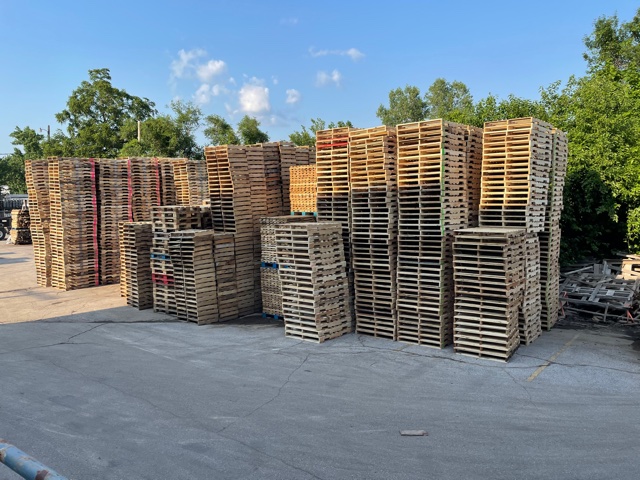
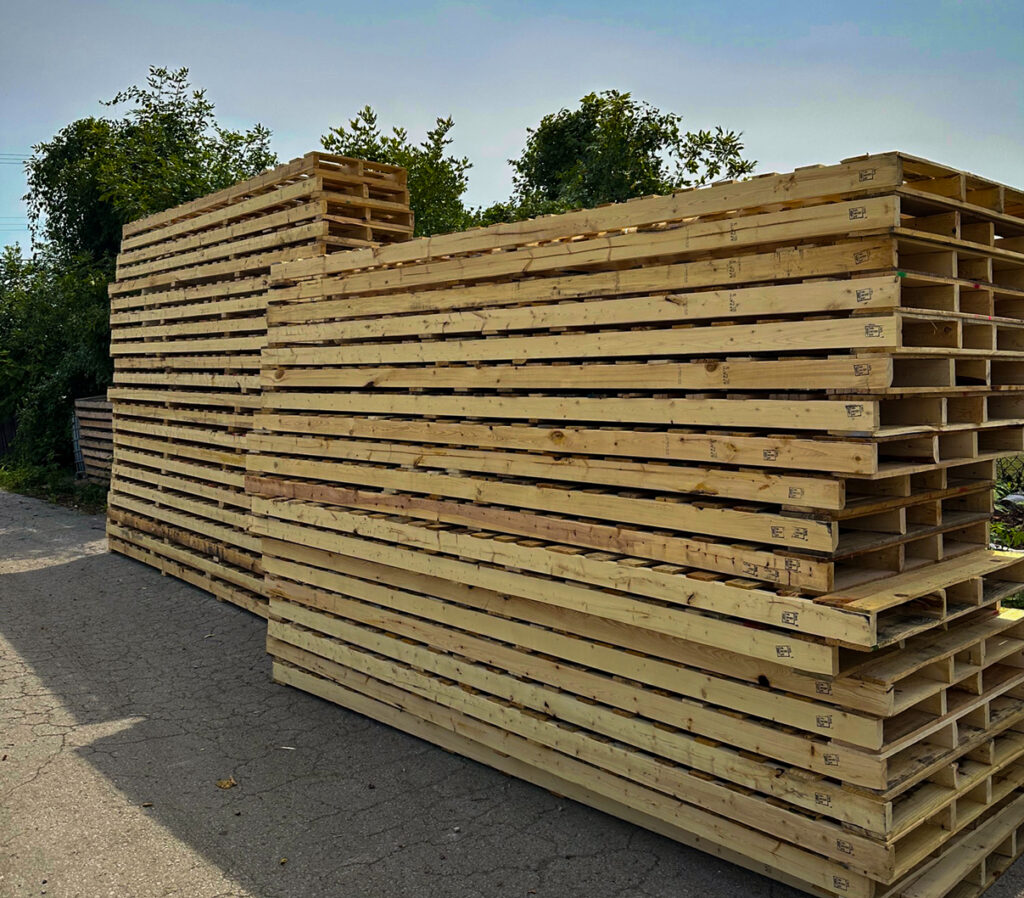
Stacking pallets for storage involves placing them in a stable, organized manner. Ensure each pallet is aligned, with heavier pallets on the bottom and lighter ones on top, to maximize space and maintain safety.
What is the lifespan of a pallet?
The lifespan of a pallet varies based on its material and usage, typically ranging from 3 to 10 years. Factors such as maintenance, load capacity, and environmental conditions can influence durability.
How to maintain wooden pallets?
Maintaining wooden pallets involves regularly inspecting for damage, cleaning them to remove dirt and debris, and storing them in a dry, sheltered area to prevent moisture-related issues. Proper care extends their lifespan and ensures safety during use.
What are the benefits of using pallets?
The benefits of using pallets include efficient storage, enhanced transportability, and improved organization of goods. They help protect products during shipping and handling, while also being environmentally friendly when recycled, making them a sustainable choice for businesses.
How to choose the right pallet type?
Choosing the right pallet type involves considering factors such as the weight of the load, the type of materials being transported, and specific industry standards. Evaluate your needs to select between standard or custom pallets for optimal efficiency.
What are the environmental impacts of pallets?
The environmental impacts of pallets include their potential for sustainability through recycling and reuse, as well as the carbon footprint associated with their production and disposal. Properly managed, pallets can contribute positively to environmental conservation.
How to disassemble pallets for reuse?
Disassembling pallets for reuse involves carefully removing the boards without damaging them. Use a pry bar or crowbar to lift the boards from the base, taking care to avoid splitting the wood.
What are the regulations for pallet recycling?
The regulations for pallet recycling involve ensuring that pallets meet safety and quality standards, avoiding the use of treated wood that may contain harmful chemicals, and adhering to local waste management guidelines.
How to find pallet suppliers in my area?
Finding pallet suppliers in your area can be done by searching online directories, checking local business listings, or visiting industry-specific websites. Additionally, consider contacting KC Pallets for quality pallets and services in the Kansas City area.
What is the difference between new and used pallets?
The difference between new and used pallets lies in their condition and cost. New pallets are freshly manufactured, offering optimal strength and durability, while used pallets are pre-owned, often more affordable but may show signs of wear.
How to inspect pallets for damage?
Inspecting pallets for damage involves checking for broken boards, loose nails, and structural integrity. Ensure there are no signs of mold or rot, and verify that the pallet can safely support its intended load.
What are the best practices for pallet storage?
The best practices for pallet storage include stacking pallets evenly, ensuring they are placed on a flat surface, and maintaining proper ventilation to prevent moisture buildup. Additionally, avoid overloading and regularly inspect for damage.
How to customize pallets for specific needs?
Customizing pallets for specific needs involves specifying dimensions, materials, and load capacities based on your requirements. Contact KC Pallets to discuss your project, and we’ll provide tailored solutions that meet your unique specifications.
What are the common pallet sizes used?
The common pallet sizes used include the standard 48x40 inches, which is widely utilized in North America, along with other sizes like 42x42 inches and 48x48 inches, depending on specific industry needs.