
Pallets for Sale in Kansas City
Your Complete Guide to Buying Wooden, Plastic, and Custom Pallets
What Types of Pallets Are Available in Kansas City?
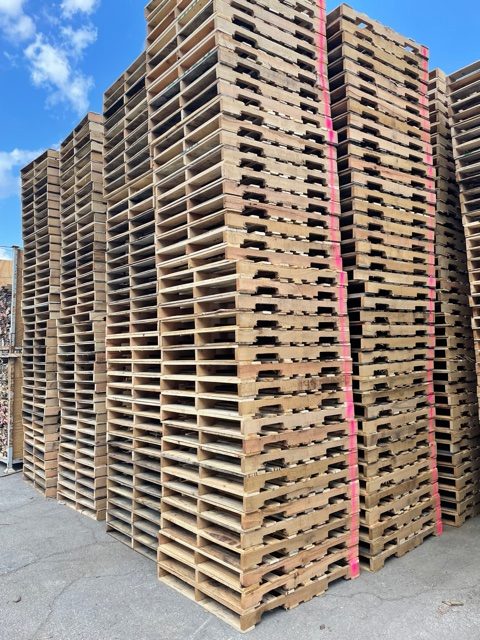
In Kansas City, you can find several types of pallets, each designed for specific applications and industries. The most common types include wooden pallets, plastic pallets, and custom pallets, each offering distinct advantages.
Wooden Pallets: The Industry Workhorse
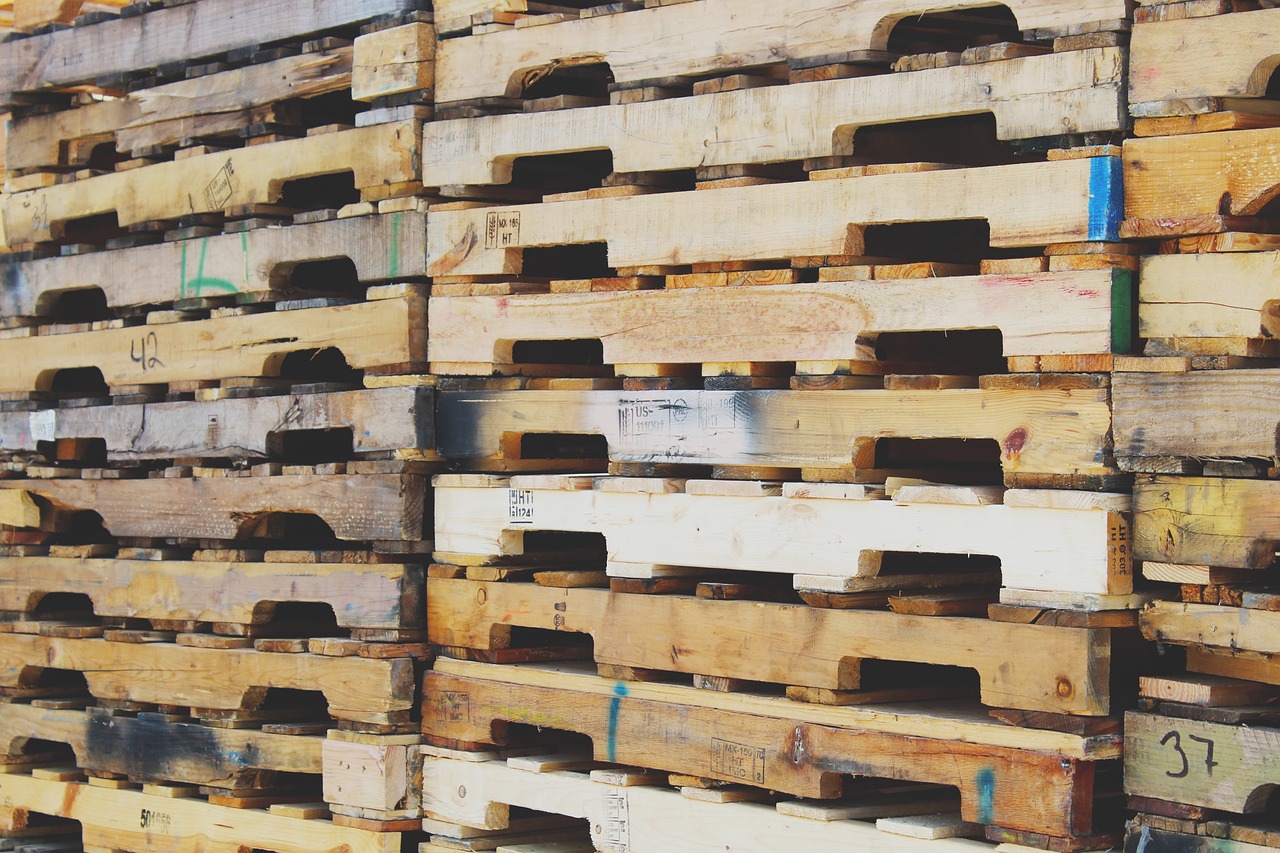
- Materials & Construction: Typically crafted from hardwoods (oak) for heavy-duty use or softwoods (pine) for lighter, high-volume shipping.
- Standard Dimensions: The 48" x 40" GMA pallet is the local standard, ensuring compatibility with almost all Kansas City warehouse racking systems.
- Durability: Their modular design allows for easy repairs, extending their lifecycle through multiple transit rotations.
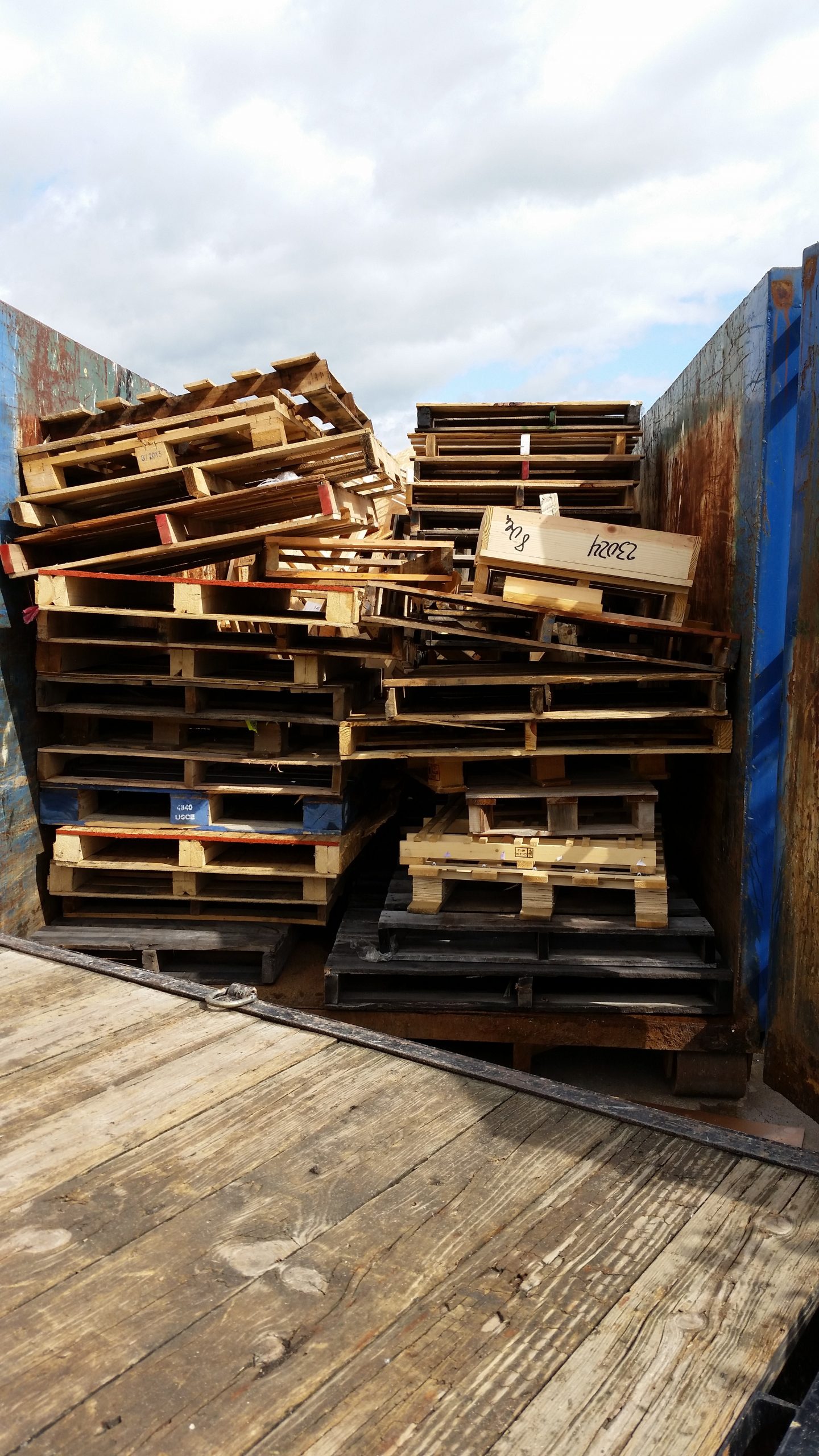
Plastic Pallets: Hygiene & Longevity
In 2026, plastic pallets have become the gold standard for "closed-loop" systems and sensitive supply chains in the KC metro.
- Industry Applications: Essential for food, beverage, and pharmaceutical sectors due to their non-porous surfaces that resist moisture, chemicals, and pests.
- Operational Advantages: They are significantly lighter than wood, reducing freight costs and manual handling risks. Their resistance to splintering and rot makes them ideal for long-term sanitized storage.
- Sustainability: Most modern plastic pallets are fully recyclable, helping local businesses meet increasingly strict corporate ESG (Environmental, Social, and Governance) goals.
Wood vs. Plastic Pallets: Market Share & Types
Traditional solid wood pallets have dominated the pallet market in the past and continue to do so today. Competing products include plastic, corrugated paperboard, metal, and wood composite pallets; however, the use of pallets made from these substitutes for solid wood is limited. A major study sponsored by the National Wooden Pallet and Container Association (NWPCA) and Modern Materials Handling magazine found that 78 percent of the pallets purchased by users were wood, 10 percent were plastic, and the remaining 12 percent were wood composites, corrugated paperboard, or metal (4).
The use of substitute material pallets for grocery distribution, 1996
Where to Find Reliable Pallet Suppliers in Kansas City?
- Kansas City Pallets (KCPallets.com): A top choice for recycling and used pallet procurement. They offer a tiered grading system (#1 and #2) and provide environmentally friendly disposal services, often saving businesses significantly compared to standard waste removal.
- 48forty Solutions: Strategically located near the I-35 and I-435 junction, they are the go-to for large-scale inventory and national reach. Their KC facility offers on-site heat treating (ISPM-15) and a massive fleet for “drop-and-hook” trailer services.
- Kamps Pallets: Located in the Fairfax district, Kamps is a leader in reconditioned and remanufactured wooden pallets. They specialize in the standard 48×40 GMA size but are highly regarded for their “Total Pallet Management” programs that handle the full lifecycle of a business’s inventory.
- Reardon Pallet: A trusted, family-owned local option since 1995, Reardon is known for custom pallet manufacturing. They are ideal for Kansas City manufacturers who need non-standard configurations built to specific load requirements.
Comprehensive Services & Streamlined Procurement
Modern KC suppliers offer more than just hardware; they provide logistics support to keep supply chains moving:
- Recovery and Recycling: Most major suppliers, including Kansas City Pallet Disposal, offer routine removal services, turning surplus wood into mulch or biofuel rather than landfill waste.
- Cooperative Purchasing: For public entities and large organizations, the Kansas City Regional Purchasing Cooperative (KCRPC), led by MARC, continues to streamline procurement by leveraging collective buying power to secure stable pricing and reliable vendors.
Kansas City Pallet Purchasing & Regional Suppliers
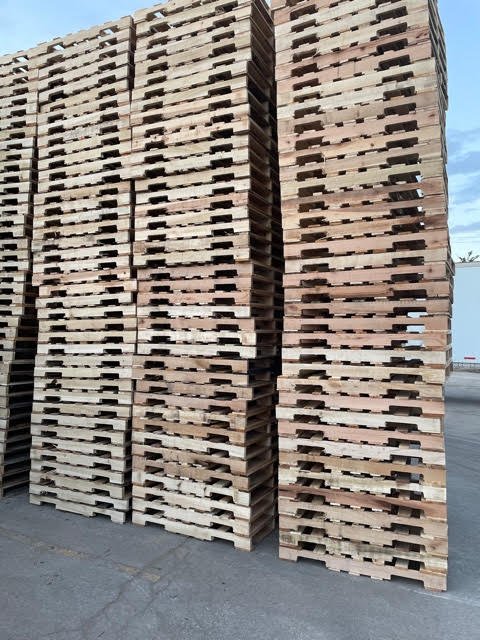
Kansas City Pallet Purchasing & Regional Suppliers purchasing professionals in the Kansas City metropolitan area. The Advisory Committee provides professional purchasing and 119 cities in the bi-state metropolitan Kansas City region. KANSAS CITY REGIONAL PURCHASING COOPERATIVE, 2013
How to Choose the Right Supplier for Your Needs
- Reputation & Local Reliability: Research the supplier’s track record for on-time delivery. In the I-35 logistics corridor, a delay of even a few hours can disrupt warehouse operations. Look for firms with high ratings for “drop-and-hook” consistency and transparent billing.
- Comprehensive Product Range: Your needs may shift between recycled wood for domestic shipping and ISPM-15 heat-treated pallets for international export. A one-stop shop that carries new, used, and plastic options prevents you from managing multiple vendor contracts.
- Responsive Support & Inventory Management: A top-tier supplier should act as a consultant. In 2026, the best Kansas City partners offer Pallet Management Programs, where they track your pallet cycles, provide regular pickups of broken units, and ensure you never run out of inventory during peak seasons.
- Strategic Location: Prioritize suppliers with facilities near North Kansas City, the Fairfax District, or the Olathe/Gardner logistics hubs. Proximity reduces fuel surcharges and allows for faster emergency shipments when order volumes spike.
How Can You Buy Used Pallets in Kansas City?
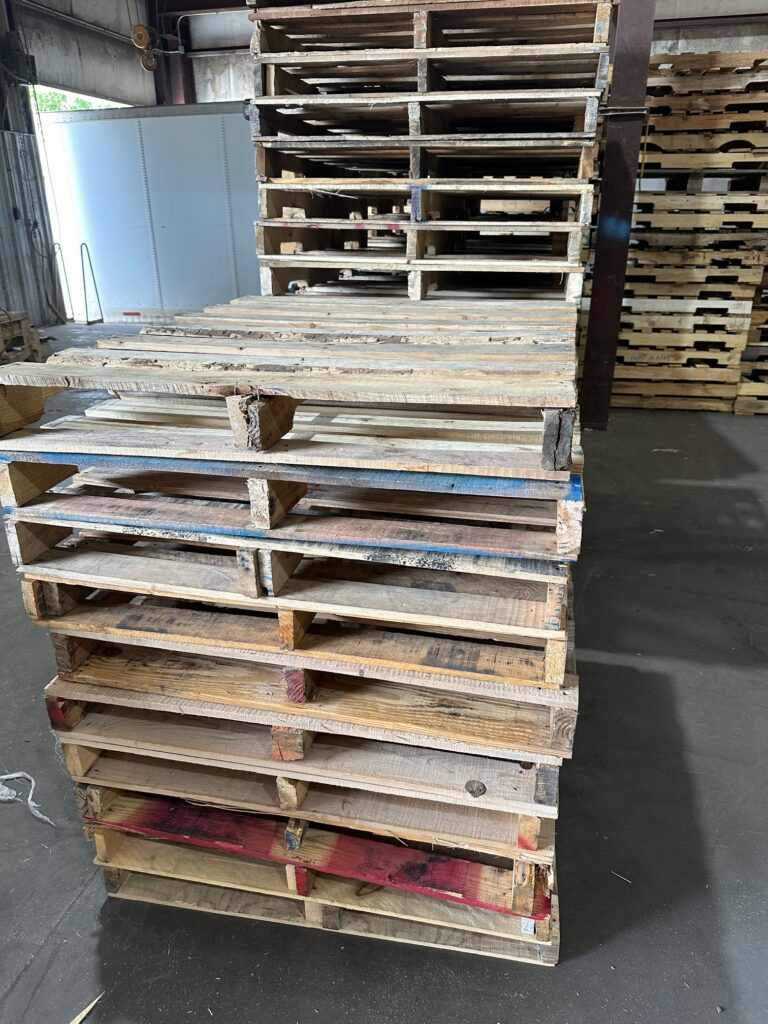
- Substantial Cost Savings: In the current KC market, a Grade A (Premium) recycled pallet typically costs 30–50% less than a new build, drastically lowering the “cost-per-trip” for high-volume shippers.
- Environmental Stewardship: Reusing wood pallets is a cornerstone of the circular economy. For KC businesses focused on ESG reporting, purchasing recycled units significantly reduces their carbon footprint and diverts tons of wood waste from local landfills annually.
- Immediate Availability: Because Kansas City is a primary Midwest logistics hub, used inventory for standard 48×40 GMA pallets is usually more stable and easier to source quickly than new lumber orders.
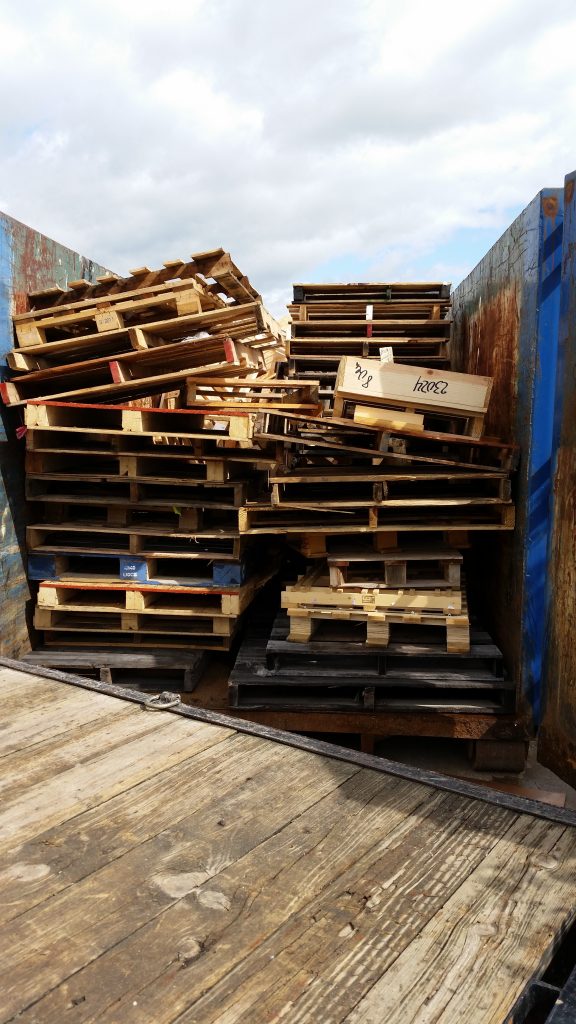
Where to Source Quality Used Pallets Locally
- Top Local Suppliers: * 48forty Solutions (NE 41st St): A primary source for high-volume needs, offering surplus retrieval and a massive inventory of reconditioned pallets near the I-35/I-435 junction.
- Ace Pallet Service (Argentine Blvd): One of the largest locally owned manufacturers in the metro, specializing in reconditioned and heat-treated used pallets for over 50 years.
- Kamps Pallets (Donovan Rd): Located in the Fairfax District, Kamps is a go-to for remanufactured pallets, which use a cost-effective blend of new and recycled wood components.
- Online Marketplaces: For smaller businesses or individual DIY projects, Facebook Marketplace and Craigslist remain highly active in the KC area. You can often find “free” or low-cost pallets from local retail outlets, though these should be carefully inspected for chemical stamps (avoid “MB” or Methyl Bromide treated wood).
- Industrial & Liquidation Auctions: As Kansas City’s warehouse footprint grows, local auctioneers like Lindsay Auction Service and Equip-Bid frequently host warehouse liquidations in Lenexa and KCMO. These are excellent for acquiring bulk lots of pallets, pallet jacks, and racking at a fraction of retail price.
- Recycling Programs: Organizations like RecycleSpot and various local “Total Pallet Management” providers offer retrieval services. If you have a surplus of used pallets, many of these local firms will buy back Grade A or B pallets, turning your disposal needs into a recovery stream.
What Custom Pallet Options Are Available in Kansas City?
- Tailored Dimensions: Local suppliers can build oversized skids (96″+) for automotive parts or “Euro-sized” pallets for international trade.
- Material Selection:
- Reinforced Wood: Uses hardwood stringers for heavy machinery.
- Specialized Plastic: Often features integrated RFID tracking for high-value cold chains.
- Metal (Steel/Aluminum): Best for foundries or long-term outdoor storage.
- Design for Specs: Engineering focuses on weight distribution and “rackability,” ensuring your unique load fits perfectly into your specific warehouse racking system without bowing or breaking.
Ordering Process and Lead Times for Custom Pallets
- Consultation: You’ll meet with a Kansas City-based specialist to discuss weight capacity, entry points (2-way vs. 4-way), and whether the pallet needs to be heat-treated for export.
- Design & Engineering: The supplier creates a blueprint or a PDS (Pallet Design System) model. This digital simulation ensures the custom design can handle your specific product weight without failing under stress.
- Approval & Prototyping: Once you approve the digital design, some KC suppliers provide a physical prototype for a “test fit” in your automated systems or racking.
- Lead Times: In the current 2026 market, expect a 2–4 week window for production. High-volume periods or specialized lumber requests may extend this, so “just-in-time” ordering is discouraged for custom builds.
What Pallet Services Are Offered in Kansas City?
- Local & Same-Day Service: Many suppliers located in the Fairfax District or North Kansas City offer expedited “hot shot” deliveries for urgent needs. In 2026, several vendors have implemented real-time GPS tracking so warehouse managers can time dock arrivals precisely.
- Scheduled “Drop-and-Hook”: For high-volume operations, suppliers provide a “drop-and-hook” service. They leave a loaded trailer at your facility and swap it for an empty one (or one filled with recyclables) on a recurring weekly or bi-weekly schedule.
- Regional & Nationwide Reach: While local delivery usually covers a 50–100 mile radius (including Lawrence, St. Joseph, and Topeka), larger networks like 48forty or Kamps utilize national freight lanes to support Kansas City businesses with satellite locations across the Midwest.
Pallet Repair and Recycling Services Explained

How Much Do Pallets Cost in Kansas City?
| Pallet Type | Average Price Range (Per Unit) | Best Use Case |
|---|---|---|
| Recycled Wood (Grade B) | $10 – $18 | One-way shipping / Budget storage |
| Recycled Wood (Grade A) | $18 – $28 | Retail display / Automated systems |
| New Wooden (GMA Standard) | $25 – $35 | High-load stability / Heavy industry |
| Plastic (Standard) | $45 – $90 | Food & Pharma / High-hygiene |
| Custom / Heavy-Duty | $50 – $150+ | Specialized machinery / Aerospace |